William’s pupil: Samuel Sebastian Wesley
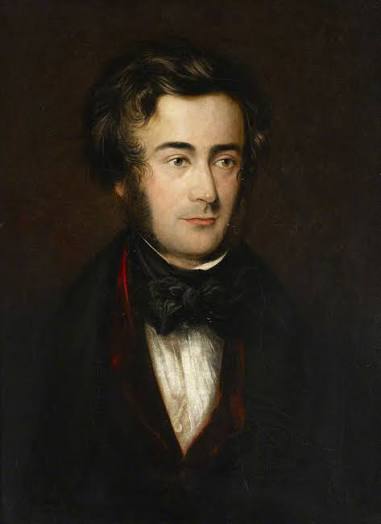
William Hawes’s relationship with Samuel Sebastian Wesley was that of teacher and pupil, later extended through professional work and publishing. The distinction between father and son matters: Samuel Wesley (1766–1837) was the composer and organist; Samuel Sebastian Wesley (1810–1876) was the boy trained under Hawes.
Peter Horton’s Church Music Society lecture places the younger Wesley’s admission to the Chapel Royal in 1817, aged seven. He remained for about eight and a half years. Hawes selected him for singing duties before George IV at Brighton and later called him “the best boy he had ever had”.
The association continued: Wesley played organ in Hawes’s 1830 Lenten oratorio concerts, and Hawes published his anthem O God, whose nature and property in 1831. Horton also describes their theatre connection. Read Horton’s lecture.
A harsh musical education
Horton’s account describes Hawes imposing discipline with a lady’s riding whip. This needs to sit alongside the teaching and professional opportunities in the family history, without either cancelling out the other.
A separate account appears in Charles William Pearce’s The Life and Work of Edward John Hopkins, p. 7. Describing chorister practice at Adelphi Terrace, Pearce writes:
“Hawes kept a riding whip on his grand piano at the choristers’ practices”
The passage continues that boys were struck for wrong notes and that complaints reached the authorities. It also describes inadequate food: Hopkins remembered Miss Hackett quietly giving hungry boys buns and cake after services. Read Pearce’s biography, p. 7.
This is a biographer’s later account drawing on Hopkins’s recollections, not a diary entry written during the events. It must be distinguished from Horton’s discussion of Wesley. The two passages concern different pupils and should not be merged into a single supposed quotation by Wesley.
Adelphi Terrace: home, training and authority
These accounts change how we read the family’s address. Adelphi Terrace was a home and a place of musical training, but the boys living and working under Hawes also depended on him for their daily care. Pearce’s recollection locates punishment within that domestic teaching environment.
The musical connections are equally concrete: Wesley’s later concert work and publication show a relationship extending beyond childhood instruction. Describing Hawes as a teacher and professional supporter is justified; claiming that he alone formed Wesley’s musicianship would go beyond the evidence presented here.
Sources and limits
- Peter Horton, “‘A clever thing, but not Cathedral Music’: The church music of Samuel Sebastian Wesley”, lecture given to the Church Music Society, 1 July 2000. A modern scholarly account, consulted in full online.
- Charles William Pearce, The Life and Work of Edward John Hopkins, chapter I, p. 7. The relevant digitised passage has been located; this is a retrospective biography preserving recollections.
Horton dates theatre work with Hawes as early as 1829 and associates it with the Adelphi. The Adelphi calendar separately establishes the company’s post-fire seasons in 1830–1831. The precise venue chronology of Wesley’s earliest theatre work remains to be checked against contemporary programmes.